
The Kiritsuke chef knife market is unfortunately saturated with Chinese-made and imitation Japanese steel. Even for me, as an experienced knife enthusiast, identifying an authentic Japanese steel Kiritsuke was a real challenge.
To separate the Kiritsuke authentic knife from the rest, I analyzed over 32 Japanese Kiritsuke knives and personally tested 15 of them over several months. This hands-on approach allowed me to thoroughly vet each knife, ensuring only those that consistently delivered exceptional performance made it onto this curated list.
Key factors I focused on while evaluating the best Japanese Kiritsuke knives include:
- Trusted brands with proven expertise in crafting Japanese Kiritsuke knives.
- Blades are forged from authentic Japanese steel for outstanding cutting performance.
- Easy to sharpen and maintain a razor-sharp edge with regular use.
- Full-tang construction ensures optimal balance, strength, and longevity.
- Ergonomic, slip-resistant handles offer excellent control and comfort.
- Backed by a reliable lifetime warranty for long-term peace of mind.
Best Kiritsuke Knife – Comparison Table
Best Kiritsuke Knife
1. KEEMAKE 8-Inch High Carbon Stainless Steel 67-Layer Damascus Kiritsuke Chef Knife
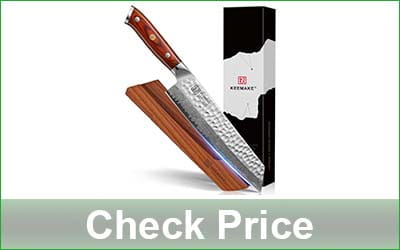
It arrived a day early, nicely packaged – perfect for gifting. The first surprise on unboxing was a shining Damascus steel knife with a wooden sheath for safe storage. It has a solid weight, and the craftsmanship looks excellent at first glance.
Blade: The 8-inch blade is hand-forged from 67-layer Damascus high-carbon stainless steel. It looks beautiful, with a hardness of 60±2 HRC and a 12–15° cutting angle.
Cutting Performance: This knife impressed me right away. It came razor-sharp out of the box. I tested it on a large beef tenderloin, chicken joints, thick steaks, and fibrous meats – it cut like soft butter. Hard salami sliced cleanly with no tearing. Soft tomatoes and ripe grapes required only the knife’s weight. It glides through vegetables and herbs, allowing very thin cuts.
I also sliced salmon and shrimp into thin pieces with no shredding or waste. The hammered finish reduces sticking, and the kiritsuke’s flat profile supports precise slicing and smooth rocking cuts.
Edge Retention: The steel holds its edge very well, staying sharp for weeks. A ceramic honing rod helps maintain it, and a 1000/6000-grit whetstone or professional service quickly restores sharpness.
Handle: The pakkawood handle looks elegant and feels warm and natural. It’s full tang with three rivets, a smooth blended bolster, and a reinforced end cap. The finish is clean with no gaps or sharp edges. The 5-inch handle fits medium to large hands well, offering a secure, comfortable grip – even when wet. The balance is spot on, and I didn’t feel fatigue after hours of use.
Wooden Sheath: It includes a beautiful wooden sheath. It aligns well with the blade and can stand upright on the countertop, adding to its presentation.
Maintenance: High-carbon Damascus steel needs extra care. I wash and dry it immediately after use, especially around the hammered areas where water can collect. It’s extremely sharp, so careful handling is essential.
Pros
- Hammered texture reduces food sticking
- 67-layer Damascus steel blade
- Great for slicing meat, veggies, and fish
- Pakkawood handle feels comfortable
- Full tang ergonomic, excellent balance
- Food prep less tiring and enjoyable
- Includes wooden sheath for safe storage
- Ideal gift with elegant packaging
Cons
- No complaints so far!
2. HOSHANHO 9-Inch 9-Layer 10Cr15CoMoV High Carbon Steel Japanese Kiritsuke Chef Knife
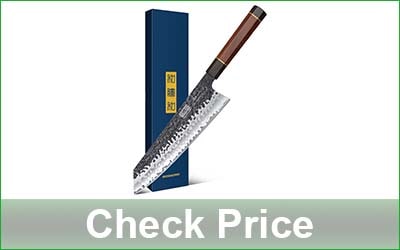
My best affordable Kiritsuke knife, under $50, arrived two days early in a premium gift-ready box. Inside, the blade had edge protection and a plastic sheath, though I wish it came with a proper sleeve or stand. Razor-sharp out of the box with a solid, well-balanced feel – it’s clearly built with quality in mind.
Blade: This 9-inch Kiritsuke-style blade is hand-forged from Japanese 10Cr15CoMoV high carbon steel, featuring nine visible layers and a traditional hammered finish.
Cutting Performance: I first tested it on a frozen brisket, and it sliced through like the meat was thawed, though cutting frozen food is not recommended for this type of knife. During Thanksgiving, I used it to carve a turkey. The long blade gave me full control, cleanly slicing through joints and dark meat with minimal effort.
In daily cooking, it’s handled tougher vegetables like pumpkin with ease, and it dices bell peppers and juliennes carrots smoothly. For softer items like onions, tomatoes, and herbs, it delivers clean, paper-thin slices with almost no resistance. This knife handles them with such finesse that I use it over others for nearly everything now.
Even sushi prep has been smooth – delicate cuts of raw fish look beautiful and precise.
Edge Retention: The edge retention is impressive. After about seven weeks of regular use, it’s still razor-sharp. For quick touch-ups, my Wüsthof 1000/4000 grit whetstone pairs perfectly with this steel, restoring the edge in just a few strokes.
Handle: The octagonal rosewood handle has a full tang and a classic look. The wood is smooth and nicely finished, though not flawless. While slightly slim for my larger hands, it feels sturdy and fits comfortably.
The weight distribution feels good, giving the knife a solid, balanced feel. It’s not perfectly balanced like some high-end professional knives, but I can use it for extended periods without wrist fatigue. The grip remains secure even when slightly wet, and the combination of two copper wires and G10 adds both style and durability.
Maintenance: I always hand wash this top-rated Kiritsuke knife with warm water and dry it immediately. It’s definitely not dishwasher safe. I lightly oil the blade before storage – just a few drops – and that’s kept rust and oxidation away.
Pros
- Beautiful hammered Damascus-style blade
- Perfect for slicing meat and vegetables
- Sharp edge stays that way for weeks
- Rosewood handle feels super ergonomic
- Comfortable grip even during long prep
- Easy to clean and maintain
- Sharpening takes just a few strokes
- Made near Tokyo, authentic Japanese steel
- Great price for this level of quality
- Comes with a limited lifetime warranty
Cons
- No protective sleeve included in the box
- Handle finish could be slightly better
- Blade texture feels rough while cleaning
- Won’t fit inside standard knife blocks
3. SYOKAMI 8.2-Inch 50CrMoV15 German 50CrMoV15 High Carbon Steel Japanese Style Kiritsuke Chef Knife
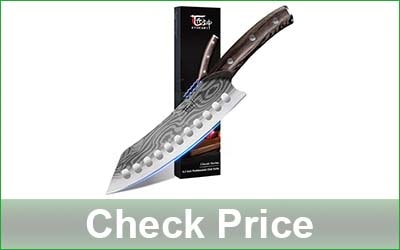
It arrived right on time in a gift-ready black box with a magnetic lid. There’s no protective sleeve, just a couple of small rubber clips on the blade tip and base, but the box itself works well for storage.
Blade: This Japanese-style 8.2-inch blade is crafted from imported German 50CrMoV15 high-carbon steel. It was razor-sharp straight out of the box. While the Damascus pattern is etched, it still looks stunning on my vertical magnetic knife board.
Cutting Performance: I’ve been testing it for the past couple of weeks, and it’s been a joy to use. Slicing tomatoes, lemons, onions, and seedless cucumbers was with nearly zero effort; I could get paper-thin slices you can practically see through. I’ve also cut a variety of vegetables like pumpkin, bell peppers, and carrots in a single sawing, producing clean, uniform pieces.
No sawing, one firm grip, and a smooth swoop even took down a solid 4-inch block of raw bacon. Herbs like parsley and cilantro are sliced like warm butter, without bruising the leaves. The lightly dimpled grooves on the blade help reduce sticking, which works well with onions, radishes, and potatoes. The knife is light enough for fluid veggie chopping yet sturdy enough for carving chicken or boneless beef.
Edge Retention: To restore its edge, a 1000/4000 grit whetstone works perfectly for this steel.
Handle: It has an ergonomic, triple-riveted dark wenge wood handle with beautiful grain patterns. At first, it felt slightly unfamiliar, but after a few days of use, it became very comfortable and secure in my hand.
The full tang construction promises long-term durability, while the balanced weight makes it easy to control for both precise cuts and heavier chopping. I also appreciate the thoughtful non-slip teeth-like grooves on the spine and the rounded choil, both of which give me a confident grip, even when my hands are wet or sweaty.
Maintenance: This knife is not dishwasher safe; hand-wash and dry immediately after use. It’s very sharp and thin; it may chip if used on hard bones or frozen foods.
Pros
- Excellent for meat, vegetables, and more
- Blade stays sharp with regular use
- High-carbon steel is easy to hone
- Perfect size for a variety of kitchen tasks
- Full tang, well-balanced design
- Handle safety features keep my hand safe
- Outperforms most knives in this price range
- Money-back guarantee, nothing to lose
Cons
- I wish it came with a protective sleeve
4. SHUN Classic 8-Inch VG-MAX Core with 68-Layer Damascus Stainless Steel Japanese Kiritsuke Knife
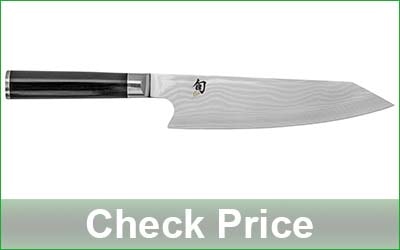
The high-end Japanese Kiritsuke authentic knife arrived quickly and was packed beautifully in a sleek, minimalist box. The moment I picked it up, it felt premium and well-made. The blade was flawless and wickedly sharp right out of the packaging, ready to use without any prep.
Blade: This 8-inch kitchen blade features a Japanese VG-MAX steel core wrapped in 68 layers of Damascus stainless steel. It’s thin, lightweight, and arrived incredibly sharp – cuts through ingredients with ease.
Cutting Performance: I started by testing it on tougher items – raw brisket was effortless, and carving through boneless turkey during the holidays, even near joints. It cuts beef roast and chicken breast cleanly, without requiring extra pressure.
For dense vegetables like pumpkin and sweet potatoes, and fruits like watermelon and dragon fruit, it performed effortlessly with minimal pressure. I also used it for prepping leafy greens and bell peppers – it gave me consistent, clean cuts without crushing them.
When working with more delicate ingredients, the blade size felt just right. It glided through tomatoes, onions, and fresh herbs with precision – producing near paper-thin slices and fine cuts. During sushi nights, it sliced through raw salmon fish beautifully, delivering clean, uniform cuts every time.
Edge Retention: After more than two months of regular use, this Kiritsuke knife under $200 has made meal prep noticeably faster and more enjoyable. It has held its edge impressively well – still feeling razor-sharp. A few strokes on my Wüsthof 1000/4000 grit whetstone is all it takes to restore that sharpness.
Handle: The D-shaped Pakkawood handle fits comfortably in my large hands and feels solid despite its lightweight design. It’s full tang, with a well-placed balance point that complements the blade.
The craftsmanship is excellent – smooth, seamless, and shaped to naturally guide your grip. It stays secure, even when my hands are damp, and I’ve had no discomfort or fatigue during long prep sessions.
Maintenance: Shan knives are naturally brittle, so avoid using them on hard items like spaghetti squash, kabocha squash, bones, frozen foods, and similar ingredients. I always hand-wash this best Japanese Kiritsuke knife and dry it immediately after use. It’s not dishwasher safe, and I treat it like a premium tool – it deserves the care.
Pros
- Beautiful Damascus steel layering
- Cuts through everything like butter
- Slice soft veggies paper-thin
- Excellent balance and weight feel
- Comfortable Pakkawood handle
- Lightweight, easy to fast maneuver
- Made in Japan by skilled craftsmen
- Comes with a lifetime warranty
- Free sharpening support
- Bit pricey, but worth every penny
Cons
- Doesn’t include a blade cover
- Prone to microchipping if misused
- Very thin blade, not ideal for hard items
5. MITSUMOTO 9-Inch 9Cr18MoV High Carbon Stainless Steel Japanese Kiritsuke Chef Knife
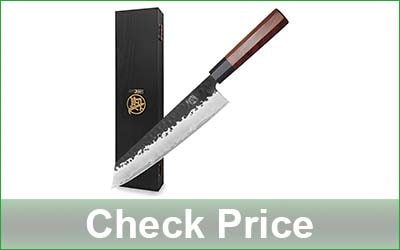
This best budget Kiritsuke knife arrived right on time, securely packaged inside a solid wooden box. Everything was exactly as described – no scratches or defects. First impression: sharp, well-balanced, and feels like a traditional Japanese-style sword.
Blade: This 9-inch knife is hand-forged from three layers of 9Cr18MoV high carbon stainless steel and comes razor-sharp right out of the box. The craftsmanship is visible in the gorgeous hammered texture, which also helps reduce ingredient sticking.
Cutting Performance: I’ve been using it for several weeks, and it has handled boneless pork shoulder, ribeye steak, and a large cabbage without needing much downward pressure. The long blade length helped me slice through these larger items cleanly in one stroke. For proteins like salmon and cooked turkey, it delivered smooth, even slices with no tearing.
On the smaller side, I’ve used it for cutting green onions, mushrooms, and kiwi. It glided through each one easily, keeping the cuts clean and consistent. The knife slices tomatoes thin enough to see through, which says a lot about how well the edge is sharpened. It’s ideal for anyone needing precision, speed, and small pieces of cuts while prepping soft or mid-density ingredients.
Edge Retention: After two and a half months of daily use, the blade has held up well and still cuts like new. I recommend sharpening it with a 1000/6000 grit whetstone, which works great for this steel.
Handle: The handle is made of polished rosewood and shaped in an octagonal design. The craftsmanship is clean with no sharp edges or rough spots, and it feels solid without being heavy. It’s full tang, well-balanced, and has no wobble even after chopping dense veggies. The weight distribution feels just right in my hand (I wear an XL glove) and never feels too heavy, too thin, or too thick.
The grip stays firm, even with wet or sweaty hands, and during long prep sessions, I’ve never experienced fatigue or wrist strain. It offers both control and comfort, making it easy to switch cutting angles.
Wood Box: The included sandalwood box feels sturdy and looks great. It keeps the blade secure and protected between uses.
Maintenance: I always rinse and wipe it dry after each use – definitely not dishwasher-safe. So far, it’s been easy to maintain with a soft cloth and water. Avoid using this best Kiritsuke knife to cut bones, frozen items, or other hard foods.
Pros
- Cuts through meat and fish easily
- Cuts dense vegetables with little effort
- Beautiful hammered finish resists sticking
- Holds edge well with regular use
- Lightweight but feels solid and balanced
- Ergonomic grip with octagonal rosewood handle
- Handle fits perfectly in large hands
- Comes in a solid wooden box
- Really great knife at a lower price point
- Covered by a reliable lifetime warranty
Cons
- Edge chips if misused on hard items
- Requires frequent sharpening to stay razor-sharp
6. HEZHEN 8.5-Inch 3-Layer High Carbon Clad Steel Japanese Kiritsuke Chef Knife
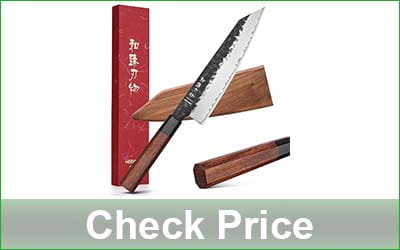
The knife arrived on schedule, well-packaged in a stunning red gift box. The box included an 8.5-inch Kiritsuke chef knife, a wooden saya sheath, a detailed instruction manual, and a product qualification card. In hand, it feels well-balanced with solid build quality and razor-sharp out of the box, ready to use.
Blade: The 8.5-inch blade is hand-forged using a three-layer composite of high-carbon clad steel, featuring a 10Cr15CoMoV core with SUS410 stainless steel on both sides. It has a 15° V-edge on each side, ideal for home use. The vacuum heat treatment keeps the hardness stable at 60±2 HRC.
Cutting Performance: I use rock chopping for herbs and small vegetables with the curved belly, push cuts for precise slices of tomatoes, onions, and cucumbers, and draw cuts for delicate proteins like salmon.
The full blade length makes slicing bell peppers, pumpkins, lemons, cucumbers, and carrots efficient, producing clean, even cuts. The pointed tip handles detailed work and scoring well.
After about four months of testing, it consistently delivers excellent balance and control for both precision tasks and heavier chopping. The retro frosted finish also helps reduce sticking.
Edge Retention: It arrived extremely sharp and holds a good edge for everyday tasks, but I hone it regularly to maintain peak sharpness, especially for delicate cuts. Proper sharpening is needed two to three times per year.
Handle: The full-tang redwood handle features a traditional octagonal Japanese design with a black buffalo horn accent. It feels comfortable, even for smaller hands, and offers a secure, natural grip. However, the edges could be smoother, as they can feel slightly harsh during long prep sessions or tighter grips. It’s lightweight and well-balanced, making it easy to control without fatigue.
Wooden Sheath: It includes a wooden saya that provides excellent protection during storage and shipping.
Maintenance: I clean it immediately after use with warm, soapy water and dry it thoroughly to prevent corrosion. I store it in the included sheath and never use a dishwasher.
Pros
- Cuts through food effortlessly
- Perfect size and weight, easy control
- Frosted finish reduces food sticking
- Lightweight and easy to handle
- Octagonal handle feels balanced and comfortable
- The wood handle looks and performs well
- Includes protective wooden saya
- Professional performance at an affordable price
- Backed by a lifetime warranty
Cons
- Not dishwasher safe
- The handle edges could be smoother
7. DALSTRONG Shogun Series Elite 8.5-Inch AUS-10V Core 67-Layer Damascus Stainless Steel Japanese Kiritsuke Chef Knife
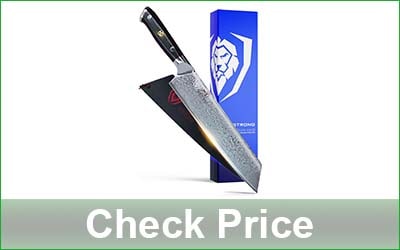
My knife arrived on time, and the packaging was both secure and premium. It came in a sturdy box along with a durable sheath, care instructions, a polishing cloth, a keychain, and a few other things.
From the moment I held it, I could tell this knife was on another level. The Damascus layers looked stunning, and the balance felt perfect in hand. It’s the best kiritsuke chef knife I’ve ever used – comfortable to grip and incredibly precise, whether I’m slicing, dicing, or chopping. A must-have for any serious home cook or pro chef.
Blade: This 8.5-inch knife is made from Japanese AUS-10V super steel, layered in 67 sheets of Damascus and finished with a mirror-polish edge. It came razor-sharp and passed the paper test right away.
Cutting Performance: Over the past few months, I’ve been using it mostly on large items like pork tenderloin, sirloin, and chicken breast. It cuts straight through in a single motion – no resistance, no tearing.
Great for vegetables, it makes paper-thin slices of whole onions, eggplants, and sweet potatoes without needing extra pressure. The length is ideal for single push cuts on larger items like cabbage, papayas, bell peppers, cauliflower, kohlrabi, and even big fruits like watermelon, pineapple, or avocado.
I also tested it on smaller items like garlic cloves, carrots, shallots, and cherry tomatoes. The thinner blade makes fine slicing a breeze – perfect for delicate prep work.
It’s not curved like a Western chef’s knife, so you won’t get much out of rock chopping, but if you like push or pull slicing, this knife excels. The slightly flatter belly suits my slicing habits perfectly and gives me very fine control with each cut.
Edge Retention: Even after a few months of daily use, just a few swipes once a week keep the edge holding strong. I use a 1000/6000 grit whetstone, and sharpening this steel has been quick and satisfying.
Handle: The handle is made from durable black G10 and is full tang with a copper mosaic detail. It’s balanced with a slight forward weight that suits my pinch grip well. The finish is smooth with no rough edges, and everything – from the bolster and end cap to the rivets and scales – is polished and clean. I found the shape fits naturally in my hand, and even during long prep sessions, I’ve felt no wrist strain or fatigue.
It feels secure and comfortable whether I’m holding it traditionally or adjusting my grip. I also appreciate that the design isn’t biased toward right-handed users. The slight curve and ergonomic shaping provide a reliable non-slip grip, and even with wet or sweaty hands, I’ve never felt like I was losing control.
Sheath: This Kiritsuke knife under $100, comes with a high-quality sheath that locks the knife securely in place, which keeps the blade safe when not in use.
Maintenance: I hand wash and dry this best Damascus Kiritsuke knife immediately after every use. It’s definitely not dishwasher-safe, but cleanup is quick and easy with a soft cloth and water. Avoids bones, hard foods, frozen items.
Pros
- Excellent for push cuts and slicing
- Slices meat and vegetables like butter
- Cuts soft iteams thin without tearing skin
- Holds its edge exceptionally well
- Durable G10 handle cleans up easily
- Handle fits perfectly in large hands
- Great balance, feels natural in the grip
- Sheath locks securely, great for safety
- A lifetime warranty adds peace of mind
- Packaging feels premium, gift-worthy presentation
- Expensive kiritsuke, but worth the price you pay
Cons
- Not ideal for rocking chop technique
- Requires delicate care after every use
- Blade edge chips if misused carelessly
8. KYOKU Shogun Series 8.5-Inch VG10 Core 67-Layer Damascus Stainless Steel Japanese Kiritsuke Chef Knife
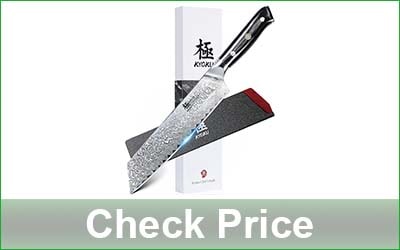
My knife arrived ahead of schedule, neatly packed in a white, well-presented box along with a sleek black sheath and two plastic protectors for the blade tip and heel. The bubble-like Damascus pattern looked gorgeous and high-end right out of the box.
Blade: The 8.5-inch blade is made from Japanese VG10 steel wrapped in 67 layers of Damascus cladding. It came razor-sharp, thanks to the Honbazuke 3-step edge. This Kiritsuke is a great all-around knife.
Cutting Performance: During the first week, I used it for large prep tasks – slicing boneless chicken breasts, cutting through semi-frozen beef, and trimming fatty pork. Each cut felt smooth and controlled, requiring almost no pressure on my wrist.
Over the next few weeks, I put it through tougher jobs like chopping cabbage, dicing raw bacon, and portioning fish fillets. The curved edge allowed me to rock the blade for chopping herbs, while it stayed flat enough for push cutting.
It easily cuts large items like watermelon, pineapple, cabbage, papaya, and bell peppers with just one stroke. On the smaller side, it slivered ginger and garlic for stir-fry, sliced onions and sweet potatoes paper-thin, and made delicate tomato cuts in mid-air.
Edge Retention: After four months of use and a light touch-up once a week, it was one of the sharpest knives in my drawer. It handled every task without dragging or tearing, and I never worried about edge damage. However, midway through the sixth month, I had to sharpen it with a 1000/6000 grit whetstone – just a few minutes of sharpening, which worked great for this VG10 steel.
Handle: The G10 handle is full tang with a mosaic rivet and has a nice heft. Its shape and large size fit comfortably in my medium-large hands. The handle feels smooth yet grippy, even when wet. I liked how balanced the knife felt – the weight sits right at the pinch point, giving me excellent control for both long sessions and quick prep. I never felt wrist strain or finger fatigue.
The craftsmanship quality is noticeably better, with well-defined details that add to its premium look. However, it’s the ergonomic design and ease of maneuverability that really stand out.
Sheath: The included sheath is sturdy with a velvet interior that protects both the knife and your fingers during storage.
Maintenance: I hand wash this best Kiritsuke chef knife with hot water, then dry with a paper towel right after. Not dishwasher-safe, but easy to clean with regular care.
Pros
- Beautiful Damascus blade finish
- Rocking and push cuts both work
- Slices raw fish & meat paper-thin
- Great for garlic, onions, tomatoes
- Stays sharp even after months
- Balanced weight for easier control
- Comfortable handle for long prep
- Textured grip prevents hand slips
- Comes with a sheath and gift box
- Lifetime warranty included
- Best-rated Kiritsuke knife at an affordable price
Cons
- Sheath isn’t ideal for daily use
- Doesn’t work well on bones
FAQs About the Best Kiritsuke Knife (FAQ)
Question: What is a Kiritsuke knife?
Answer: A Kiritsuke is a traditional Japanese multi-purpose kitchen knife, combining features of a chef’s knife and slicer. It’s known for its long, flat blade and angled tip, ideal for precision slicing and chopping.
Question: What is a Kiritsuke knife used for?
Answer: Kiritsuke knives are used for slicing fish, meat, cutting vegetables, and precision prep. They excel in push cuts and straight chopping, making them ideal for professional chefs or serious home cooks seeking control and versatility.
Question: How to use a Kiritsuke knife?
Answer: Use a Kiritsuke with a push-cutting motion on a flat surface. Its straight edge works best for slicing or chopping without rocking. Hold it with a pinch grip for control and precision during prep.
Question: What is the best Kiritsuke knife for the money?
Answer: My choice is the KEEMAKE 8-inch Damascus Kiritsuke Chef Knife. It’s hand-forged from 67-layer high-carbon Damascus steel and holds its edge very well. It excels at slicing meat, vegetables, and fish, while the hammered texture reduces sticking. The pakkawood handle feels comfortable, and the full tang design provides excellent balance. Food prep feels easier and less tiring. It also includes a wooden sheath for safe storage and comes in elegant packaging, making it a great gift. No complaints so far!
Question: What are the best kiritsuke knife brands?
Answer: Top kiritsuke knife brands include Shun, Yoshihiro, Dalstrong, Syokami, Kyoku, and Hoshanho, known for exceptional craftsmanship, sharpness, durability, authenticity, and reliable performance in professional and home kitchens worldwide.
Question: What is the best steel for Kiritsuke?
Answer: VG10, AUS-10V, AUS-10V, SG2, and Aogami Super are top choices for Kiritsuke knives due to their edge retention, corrosion resistance, and ease of sharpening. These premium Japanese steels ensure performance, durability, and long-lasting sharpness.
Question: How long should a Kiritsuke knife be?
Answer: Most Kiritsuke knives range from 8 to 10.5 inches. For home use, 8 to 9.5 inches offers ideal control and versatility, while professional chefs may prefer the longer 10-inch blades for large prep tasks.
Question: What is the difference between Kiritsuke and Santoku knife?
Answer: Kiritsuke knives have a longer, flatter blade with an angled tip, ideal for slicing and push cuts. Santoku knives are shorter with a sheepsfoot tip and are better suited for general-purpose chopping and dicing.
Question: How to care for a Kiritsuke knife?
Answer: Hand wash immediately after use with mild soap, then dry thoroughly. Store it in a knife guard or block. Avoid cutting bones or frozen food, and regularly hone the edge to maintain peak performance.
Question: How to sharpen a Kiritsuke knife?
Answer: Use a whetstone with 1000/6000 grit. Maintain a 15° angle for double bevels and 10° for single bevels. Make smooth, even strokes along the stone, then strop gently to refine the razor-sharp edge.