Gyuto vs Santoku Knife – What’s the Difference?

In the world of Japanese cooking, two styles of blade reign supreme – the Gyuto and the Santoku. Both blade profiles find their origins in a traditional Japanese nakiri, a …
In the world of Japanese cooking, two styles of blade reign supreme – the Gyuto and the Santoku. Both blade profiles find their origins in a traditional Japanese nakiri, a …

Looking for the right tools to become a master chef? Then look no further! With these 15 must-have knives, anyone could go from a cooking newbie to a master at …

In modern life, kitchen knives are an integral part of the home and everyday cooking. That’s why it is very important for everyone to choose the ideal kitchen knives or …

In general, Damascus steel is a specially made steel that is manufactured using many layers of steel (includes carbon steel and high carbon stainless steel). Damascus steels have a wavy …
Most of the food we use to make requires the use of a sharp knife. So whether it is to save time or to get rid of the trouble, the …

There are mainly two types of materials used to make blades for almost all kitchen knives on the market. One is ceramic and the other is steel. When comparing ceramic …

Since the invention of knives, people have developed methods of sharpening them. Despite several changes in their design, knives still need to be sharp in order to be useful, and …
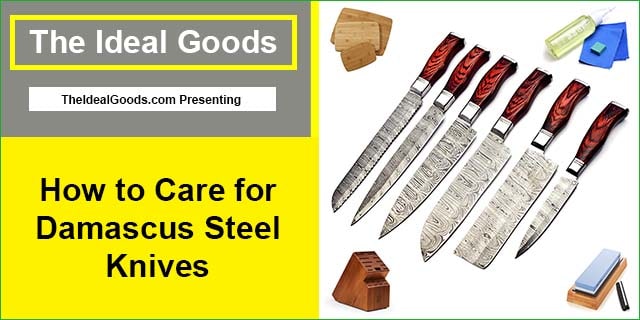
Damascus steel knives require special care for different intensities of use. Being subject to weathering and use, these knives need much attention to keep them sharp (both actually and visually!). …
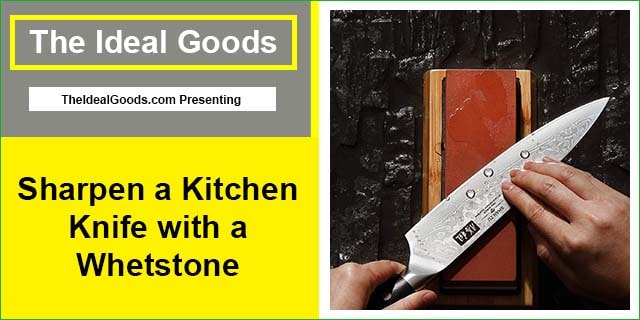
Many home chefs think they can wing it and sharpen their knives freestyle with whatever they have on hand – I know I was guilty of this myself. However, you …
When thinking about kitchen knives, many people may think that the blade is the only consideration. However, when it comes to knife balance and ergonomics, the role of the handle …